
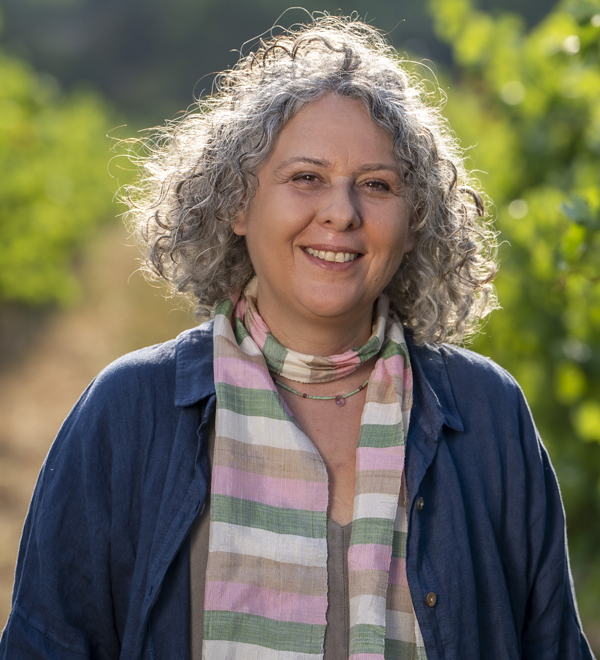
Zeynep Arca Şallıel
Zeynep Arca Şallıel is the co-founder and Director of Arcadia Vineyards in Kırklareli, Thrace, Türkiye. She has led the development of an integrated estate bringing together viticulture, winemaking, gastronomy and rural tourism. Guided by sustainability and circular economy principles, Arcadia combines soil health practices, data-driven vineyard management and water-stress monitoring with local sourcing from surrounding villages, cooperatives and artisanal producers.
After studying international relations abroad, she worked in advertising and film production before taking on project management and board responsibilities in her family’s tourism investment company. She subsequently pursued training in viticulture, oenology and wine marketing.
Her work connects sustainable production with regional development. She was among the leading contributors to the Thrace Wine Route project, supported by the Thrace Development Agency, helping develop the region as a wine and gastronomy tourism destination. In 2019, Arcadia’s Agroecological vineyard practices were presented at the GIESCO International Viticulture Conference in Thessaloniki as a case study in sustainable viticulture.
In 2016, she received the Woman Entrepreneur Making a Difference in Her Region award from Garanti Bank, KAGİDER and Ekonomist. A member of KAGİDER- association of Women Entrepreneurs and participant in the 2018–2019 EY Entrepreneurial Winning Women programme, she has also taught in the Gastronomy Department at Yeditepe University since 2013.
Since the beginning of her carrier she is a dedicated advocate of sustainability and circular business models.
From the land to the people: How wine connects us?
Building a winery in a small and complex wine market takes more than good wine. This session draws on the lived experience of creating Arcadia Vineyards in Thrace, sharing the challenges met, the problems solved and the deliberate choices about place, market, sustainability and identity that shaped the estate.
The session explores how terroir can be seen, tasted and remembered, how a winery can open the door to a whole region where wine, food, landscape and people work together, and why tourism is part of a producer’s identity rather than an extra source of revenue.
